Article of the Week

P2D Article 9

In P2D, we explored Article 9 of the United Nations Convention on the Rights of the Child (UNCRC), which says that children have the right to live with their parents unless it is not safe for them. If children are separated from one or both parents, they have the right to stay in contact with them, as long as it’s in their best interests. We created a video to help explain this right and why it’s important for children to feel loved, supported, and connected to their families. Our class discussed how families can look different, but every child deserves to feel safe and cared for.
Article of the Week

P7Y Article 34

In P7Y, we learned about Article 34 of the United Nations Convention on the Rights of the Child (UNCRC), which protects children from all forms of sexual abuse and exploitation. We created a video to help explain why this right is so important and how it ensures that children are kept safe, respected, and protected. We talked about the importance of speaking up, trusted adults, and how everyone in the community has a role in keeping children safe. Our class feels strongly that every child should grow up feeling secure and cared for, and we hope our video helps raise awareness of this vital right.

Article of the Week

P4S Article 7

In P4S, we explored Article 7 of the United Nations Convention on the Rights of the Child (UNCRC), which says that every child has the right to a name, a nationality, and to know and be cared for by their parents. We made a video to explain how these rights help shape a child’s identity and give them a sense of belonging. We learned that having a name and nationality is not just about legal documents—it’s about being recognised and valued. Our class enjoyed learning how this article helps protect children’s identities and connects them to their families and communities.

Article of the Week

P6F Article 30

In P6F, we learned about Article 30 of the United Nations Convention on the Rights of the Child (UNCRC), which says that every child has the right to enjoy their own culture, practice their own religion, and use their own language—especially if they belong to a minority or Indigenous group. We created a video to help explain why this right is so important and how it helps children feel proud of who they are. Our class talked about how celebrating different cultures makes our communities stronger, and we hope our video encourages everyone to respect and value each other’s backgrounds.

Article of the Week

P6R Article of the Week – Article 4

In P6R, we recently explored Article 4 of the United Nations Convention on the Rights of the Child (UNCRC), which emphasizes that governments must take all appropriate measures to implement children’s rights. This includes aligning national laws with UNCRC standards, prioritizing children’s needs in budgets, and collaborating with organizations to execute child-centered strategies. Our class created a video to explain how this article ensures that children’s rights are not just promises but are actively protected and fulfilled by governments. We hope our video helps others understand the importance of Article 4 in safeguarding children’s rights worldwide.

Buckstone Neuro-Inclusion Project

P7CH Our Wonderfully Wired Brains

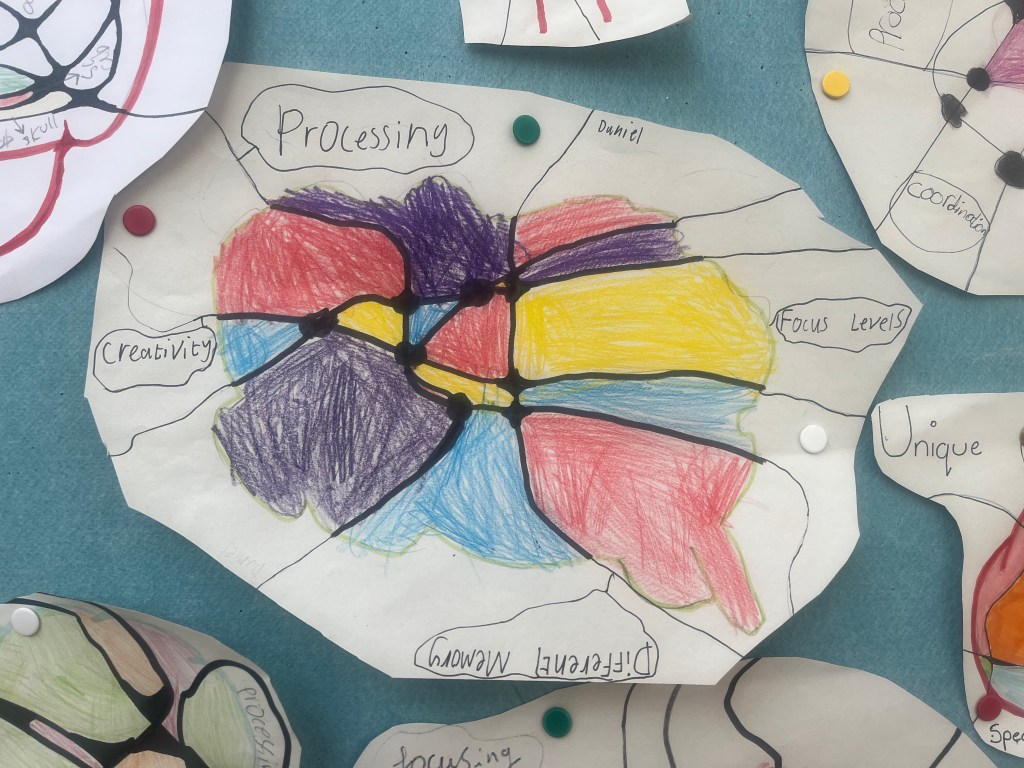
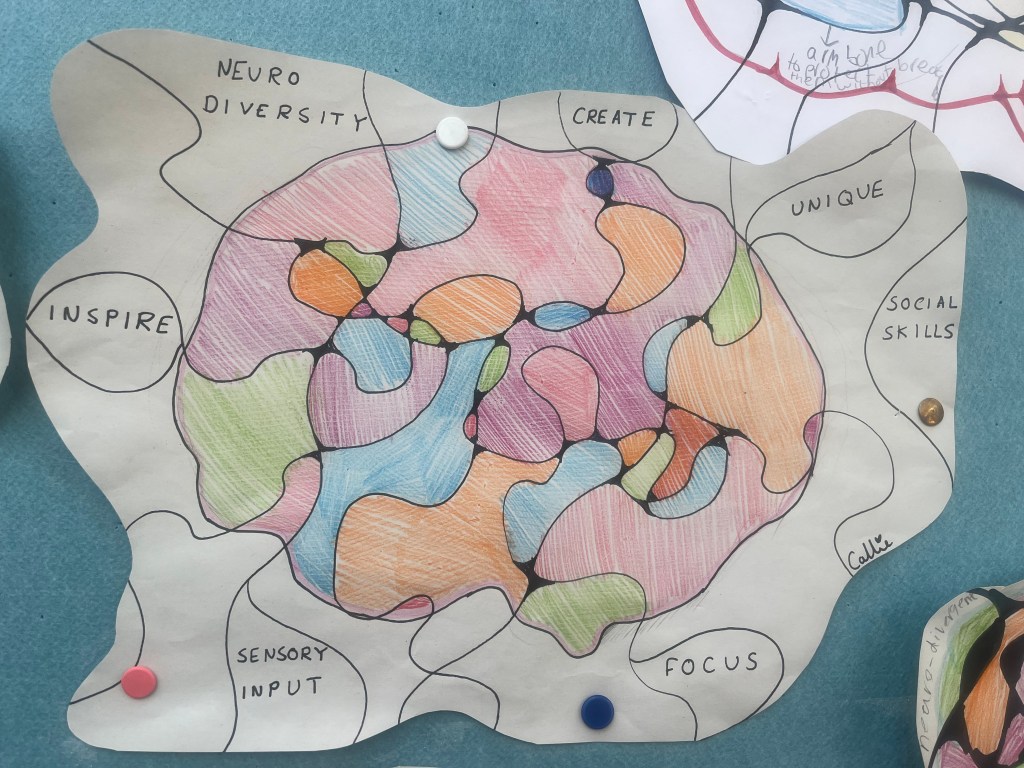
In P7CH, we’ve been learning all about Our Wonderfully Wired Brains and how everyone’s brain works in unique and amazing ways. We explored different types of neurodiversity, like autism, ADHD, dyslexia, and Tourette’s, and learned how these can affect the way people think, learn, and experience the world. We talked about how important it is to be understanding, supportive, and respectful of others, especially when someone’s brain works differently from our own. This project has helped us realise that neurodiversity is something to be celebrated, and that by being kind and inclusive, we can make our school a better place for everyone.

Buckstone Neuro-Inclusion Project

P7Y – Lewis Capaldi – Tourette’s

As part of our learning about neurodiversity, P7Y explored the experience of Lewis Capaldi, who has Tourette’s syndrome. We found it really inspiring that someone so successful in music has been open about living with a condition that causes involuntary movements and sounds, known as tics. Lewis said getting a diagnosis was a relief because it helped him understand what he was going through. We learned that he manages his tics with support and treatment, and we really admire how he uses his platform to raise awareness and help others feel less alone. His story reminded us that having a condition like Tourette’s doesn’t stop you from achieving amazing things.